Spec Battle: Oneplus 15R vs Google Pixel 9A — Is It Worth Upgrading?
Electronics
Introduction
When considering a phone upgrade, buyers often weigh raw specs against everyday experience: will a faster chipset make daily life smoother, does a higher-resolution camera meaningfully improve photos, and how long will the device last before it feels slow or obsolete? The Oneplus 15R and Google Pixel 9A sit on different points of the market map: one leaning toward performance and enthusiast features, the other balancing practical imaging, software polish, and value. This article examines how these two phones compare in real-world use, focusing on what buyers actually care about — performance, display, cameras, battery and charging behavior, software experience, and long-term ownership considerations — to answer the core question: is it worth upgrading?
Quick framing: Who each phone targets
The Oneplus 15R positions itself as a performance-focused option for users who prioritize smooth displays, fast charging, and high-frame-rate gaming or multitasking. The Google Pixel 9A, by contrast, is targeted at users who value computational photography, clean Android with reliable software updates, and a balanced price-to-performance ratio. Understanding these intentions helps set expectations beyond raw numbers.
OnePlus 15R — In-depth analysis
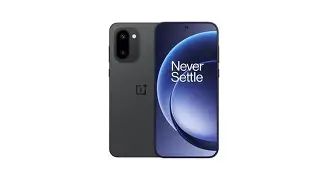
The Oneplus 15R aims to deliver flagship-adjacent performance without some of the high-end price tags. In everyday use this translates to very responsive navigation, rapid app launches, and comfortable multi-app workflows. For power users and mobile gamers, the Oneplus 15R’s emphasis is clear: thermal management, higher sustained CPU/GPU performance, and fast refresh displays that reduce motion blur and make UI transitions feel snappier.
Display and build
Oneplus typically equips its R-series with AMOLED panels and high refresh rates (120Hz or higher). In practice this means web browsing, social feeds, and supported apps look fluid, and animations feel immediate. The display is usually bright enough for outdoor use and supports adaptive refresh to conserve battery. Build materials commonly blend glass and metal, producing a premium feel without being overly heavy.
Performance and daily use
Performance is where the Oneplus 15R shines: app installs, background task handling, and gaming all benefit from a handset tuned for speed. For users who run productivity apps, edit photos on the go, or play competitive mobile games, the responsive SoC and ample RAM translate into fewer stutters and longer sustained frame rates. Fast UFS storage options speed up file transfers and app startup times.
Cameras
Oneplus cameras have matured into a capable system, blending solid hardware with improved software processing. They typically capture excellent detail in good light and handle HDR scenes well. Low-light performance often relies on multi-frame stacking and computational tricks. While camera output is no longer a weakness, it may still lag behind the Pixel line in algorithmic optimization for difficult scenes.
Battery and charging
A recurring strength for Oneplus devices is charging speed. The 15R adopts fast wired charging that replenishes a large portion of the battery in minutes rather than hours — a practical advantage for users who top up during short breaks. Battery life under mixed use is typically competitive, and adaptive refresh along with software power optimizations can extend day-to-day longevity.
Software and updates
Oneplus ships OxygenOS (or merged variants) — a near-stock experience with useful customizations. Oneplus has improved update cadence in recent years, but historically it has not always matched Google's speed or long-term commitment. Users who prefer a customizable UI with extra features will appreciate Oneplus’s approach, while those seeking the fastest security fixes and the purest Android feel should weigh this point.
Shop the latest Electronics picks on Amazon.
View Offers →Google Pixel 9A — In-depth analysis
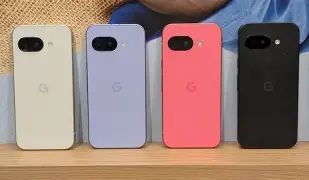
The Google Pixel 9A focuses on delivering a reliable, camera-first experience at a reasonable price. Google’s strength lies in tying hardware to software: computational photography and image processing offer images that punch above their hardware class. For buyers who prioritize photos, regular software updates, and a clean Android interface, the Pixel 9A is an attractive proposition.
Display and build
The Pixel 9A typically offers an OLED display with a balanced color profile and smooth performance in daily use. While the refresh rate may be slightly lower than the highest-end Oneplus screens, Google optimizes UI animations and touch responsiveness to feel consistent. The design often emphasizes ergonomics — compactness, comfortable grip, and a lighter overall footprint, which some users prefer for one-handed use.
Performance and daily use
Pixel phones are tuned for real-world smoothness rather than benchmark dominance. The chipset may be midrange to upper midrange with sufficient RAM for typical user tasks: messaging, streaming, navigation, and moderate multitasking. For users who rarely run intensive games or heavy editing apps, the Pixel 9A’s performance is more than adequate and benefits from strong software-level optimizations.
Cameras
Where the Pixel 9A stands out is in photography. Google’s image processing produces pleasing colors, dynamic range, and excellent night shots using computational techniques. Portraits, landscapes, and point-and-shoot scenarios are particularly convincing; the camera compensates for smaller sensor sizes or fewer lenses through advanced algorithms. This matters to many buyers who rely on their phone as a primary camera.
Battery and charging
Battery life on Pixel devices has historically been solid for typical daily workflows, though charging speeds are often more conservative compared to Oneplus. For many users, slower charging is acceptable if battery endurance covers a full day of normal use. However, those who need quick top-ups throughout a busy day may prefer a faster charging solution.
Software and updates
Google’s Pixel line is synonymous with prompt Android updates and clean, bloat-free software. The Pixel 9A benefits from direct Google support, meaning security patches and new Android versions typically arrive earlier than on competing phones. This reliability is important for users who value long-term software maintenance and the latest features from Android.
Pros & Cons
OnePlus 15R — Pros
- High performance for gaming and multitasking with sustained thermal management.
- Smooth, high-refresh display that enhances day-to-day fluidity.
- Very fast wired charging that reduces downtime between uses.
- Premium materials and higher-end hardware options for storage and RAM.
- Feature-rich OS with customization options for power users.
OnePlus 15R — Cons
- Camera processing typically strong but may not match Pixel’s computational photography in certain scenes.
- Update cadence improved but still not always as fast or long-term as Google’s support.
- Higher price for top-trim configurations compared to midrange alternatives.
Google Pixel 9A — Pros
- Outstanding computational photography that produces great-looking photos across varied conditions.
- Clean Android experience with prompt updates and security patches.
- Balanced day-to-day performance suited to most users’ needs without excessive cost.
- Ergonomics and software polish that make everyday interactions pleasant.
Google Pixel 9A — Cons
- Less emphasis on raw performance compared with performance-focused rivals.
- Charging speeds are generally slower, which can be inconvenient for heavy users.
- Fewer hardware bells and whistles such as extremely high refresh rates or top-tier RAM/storage options in base trims.
Head-to-head comparison
| Category | Oneplus 15R | Google Pixel 9A |
|---|---|---|
| Market positioning | Performance-oriented, near-flagship experience | Value-oriented with photography and software focus |
| Display | High-refresh AMOLED for fluid motion and gaming | OLED with balanced color and smooth UI; slightly lower refresh emphasis |
| Performance | Flagship-class responsiveness and sustained performance | Efficient mid/upper midrange performance tuned for everyday tasks |
| Camera | Strong hardware with good processing—excellent in good light | Best-in-class computational photography and night shots |
| Battery & charging | Large battery + very fast wired charging | Good battery life; more conservative charging speeds |
| Software & updates | Feature-rich OS; improved updates but variable cadence | Pure Android with the earliest updates and long-term support |
| Value for money | High for users who need speed and fast charging | High for photography and software reliability at lower cost |
| Best for | Mobile gamers, power users, those who want fast charging | Photography enthusiasts, users seeking timely updates, budget-conscious buyers |
Real-world use cases: What buyers care about
Decisions rarely come down to a single spec. Below are common buyer profiles and which phone tends to fit each scenario.
Commuters and media consumers
If video streaming, podcasts, and browsing during commutes are the top activities, display quality and battery life matter most. The Oneplus 15R’s high-refresh panel improves smoothness for scrolling apps and games, while the Pixel 9A’s color-accurate OLED keeps video watching pleasant with reliable battery endurance. Both are solid choices; pick the Oneplus for extra fluidity, the Pixel for predictable daily endurance and compact comfort.
Looking for the best Electronics deals on Amazon?
See Deals →Mobile gamers and power users
For sustained gaming sessions and heavy multitasking, the Oneplus 15R stands out. Faster SoC cooling and performance tuning enable higher sustained frame rates and fewer thermal slowdowns. Gamers who want longer sessions without throttling will appreciate Oneplus’s hardware balance and charging tech to top up quickly between plays.
Photography-first users
If the phone doubles as a primary camera, the Pixel 9A’s image processing gives it an edge. Google’s ability to extract dynamic range, manage highlights and shadows, and deliver consistent color directly affects real-world results — especially in low light and mixed lighting. Buyers who prioritize “point-and-shoot” reliability and share-ready photos will prefer the Pixel.
Business users and longevity seekers
Those who need predictable updates, security, and a stable software platform typically favor the Pixel line. The clean Android interface and timely patches reduce friction in corporate environments and for users who want a device to remain secure and supported for years.
Buying guide — How to decide
Use the following checklist to decide whether upgrading to either phone (from an older device) is worth it:
- What do you use your phone for most? Choose the device that optimizes your primary use — gaming and heavy multitasking point to Oneplus, photography and software reliability point to Pixel.
- Is charging speed important? If quick top-ups between errands are essential, Oneplus’s fast charging is a practical advantage.
- Do you prefer a clean Android interface and quick updates? Google’s Pixels remain the leader in this area; choose Pixel if early access to new Android features and security is a priority.
- How important is resale and long-term support? Consider the manufacturer’s update policy and market demand for trade-ins; Google’s software reputation often preserves value, while Oneplus devices can attract enthusiasts for resale depending on model popularity.
- Are specific hardware features dealbreakers? Examples: headphone jack, microSD slot, or specific carrier bands. Verify the variant sold in your region and ensure it supports the exact features required.
- Budget and total cost of ownership — Factor in accessories, cases, protection plans, and any trade-in value. A seemingly higher upfront cost can be offset by better longevity or fewer accessory purchases.
- Try before you buy — Where possible, spend a few minutes in a store handling both phones to judge ergonomics, display preferences, and tactile feedback.
Upgrade decision checklist
- If upgrading from a two- to three-year-old phone and performance is sluggish: Oneplus 15R likely offers the most perceptible speed improvements.
- If camera quality and software longevity are the top concerns: Pixel 9A provides a better “camera-first” experience and a smoother update track.
- If battery life currently limits daily use but charging time is scarce: Oneplus’s fast charging is a practical differentiator.
- If the current phone already meets most needs: weigh whether new features provide daily improvements worth the expense; minor camera or speed bumps alone may not justify upgrading.
Conclusion
Both the Oneplus 15R and Google Pixel 9A have clear strengths: the Oneplus 15R focuses on speed, display refinement, and fast charging, making it a strong pick for power users and gamers. The Pixel 9A, meanwhile, emphasizes software polish and computational photography, ideal for users who prioritize consistent camera results, timely updates, and a simple, dependable Android experience.
Is it worth upgrading? The answer depends on the starting point and personal priorities. For users coming from older midrange phones who want a noticeable boost in performance and charging convenience, the Oneplus 15R is likely to deliver a visible day-to-day improvement. For those who take a lot of photos with minimal fuss, care deeply about software timeliness, or prefer a pure Android feel, the Pixel 9A delivers a compelling, practical upgrade.
Ultimately, prospective buyers should align their decision with how they use their device daily: prioritize sustained performance and fast top-ups, choose the Oneplus 15R; prioritize photography and software assurance, choose the Pixel 9A. Both phones offer strong value in their respective lanes — the right choice is the one that best fits a user’s real-world habits and priorities.