Which is Better Value? Nintendo Switch 2 Pro Controller vs 8Bitdo Ultimate 2 Compared
Choosing the right controller can change how games feel, how well players perform, and how long sessions remain comfortable. With two strong options on the table — the first-party Nintendo Switch 2 Pro Controller and the third-party 8Bitdo Ultimate 2 — buyers face a familiar trade-off: official-polish and platform integration versus cross-platform flexibility and customization. This article compares both controllers across practical, buyer-focused criteria to help readers decide which is better value for their play style and priorities.
Introduction
When assessing controllers, real-world concerns tend to dominate purchase decisions: comfort during long sessions, input accuracy for competitive play, compatibility with platforms beyond the host console, customization for individual preferences, and long-term reliability. The Nintendo Switch 2 Pro Controller arrives as the natural companion for Nintendo’s next-generation console, promising ergonomics tuned to that ecosystem. The 8Bitdo Ultimate 2 positions itself as an advanced, flexible alternative that targets players who want broad compatibility, deep customization, and modern features without being tied to a single vendor.
This comparison unpacks how each controller performs in everyday scenarios — from couch co-op and single-player RPG marathons to portable sessions and competitive online matches — and weighs the cost versus the features to determine which option offers stronger value for different types of buyers.
Overview of the Controllers
Nintendo Switch 2 Pro Controller (overview)
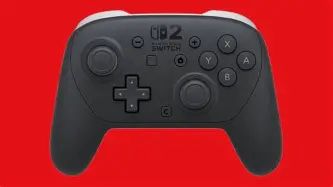
The Nintendo Switch 2 Pro Controller is the premium first-party controller designed for Nintendo’s latest home console. It emphasizes comfort, responsive inputs, and reliable wireless performance tightly integrated with the console’s user experience. First-party controllers typically prioritize a plug-and-play experience, streamlined compatibility with system features, and consistency across Nintendo titles.
8Bitdo Ultimate 2 (overview)
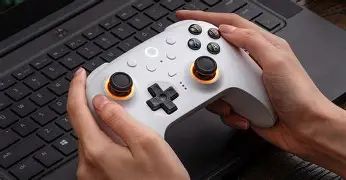
The 8Bitdo Ultimate 2 is a feature-rich third-party controller aimed at players who need cross-platform support and extensive customization. 8Bitdo is known for producing hardware that supports multiple systems (including Nintendo hardware, PCs, and mobile devices), offers firmware updates, and supplies companion software for remapping, macros, and performance tuning.
Detailed Product Analysis
Build Quality and Ergonomics
Ergonomics and materials make a tangible difference over hours of play. The Nintendo controller keeps to a traditional, slightly larger shell designed for a natural palm grip and extended comfort. Button and stick placement favors familiarity for long-time Switch players — less learning curve for moving between Joy‑Cons and the Pro Controller. The build typically uses durable plastics with a matte finish on key gripping areas.
8Bitdo’s Ultimate 2 takes a slightly different approach, blending modern ergonomics with textured grips and an often lighter overall weight. 8Bitdo tends to experiment with small layout adjustments, and its shells sometimes include additional rear paddles or programmable buttons, which appeal to players who want extra inputs without changing hand position.
Thumbsticks, Buttons, and Triggers
Both controllers generally use high-quality analog sticks and tactile face buttons. For precision-sensitive genres such as fighting games and competitive shooters, subtle differences in stick tension and trigger travel can affect performance. The Nintendo option favors predictability and a slightly firmer stick, which some players prefer for precision aiming and quick directional inputs. The 8Bitdo sticks are often tuned for smoothness and can be complemented by calibration and deadzone adjustments in the companion software.
Trigger feel is important for racing and shooter titles. Neither controller implements mechanical adaptive resistance comparable to some high-end gamepads in the market, so buyers should expect conventional analog triggers with programmable curves (where supported by software) rather than mechanical feedback.
Discover deals on Electronics — updated daily.
Browse Now →Haptics and Vibration
Haptic feedback enhances immersion. Nintendo historically emphasizes tactile feedback designed around its game library. The Switch 2 Pro Controller continues that focus by delivering consistent, nuanced rumble that syncs with first-party titles. 8Bitdo provides configurable vibration with user control over intensity and patterns in its software. This flexibility can matter to buyers who want to tone down rumble for competitive clarity or increase it for cinematic single-player experiences.
Wireless Performance and Latency
Latency matters most for competitive multiplayer. The Nintendo controller is optimized for the Switch 2 environment and offers a reliable wireless link with low latency profiles for the console. 8Bitdo aims to be multi-platform and typically supports low-latency modes via Bluetooth and wired USB-C connections. For high-stakes competitive play, wired USB-C on either controller will be the safest bet.
Compatibility and Cross-Platform Use
One of the 8Bitdo Ultimate 2’s strongest selling points is broad compatibility. It often supports multiple platforms out of the box — including Nintendo hardware, Windows, macOS, Android, and iOS — and may offer multiple connection modes (Bluetooth, 2.4 GHz dongle, USB). For players who switch between systems, this flexibility provides clear value.
By contrast, the Nintendo Switch 2 Pro Controller is built around the Switch 2’s ecosystem. It works seamlessly with the console, and may also connect to PCs for certain use cases, but it lacks the same breadth of supported platforms and often does not include advanced mapping for non-Nintendo systems in the same integrated way 8Bitdo does.
Battery Life and Charging
Battery life is a common buyer concern. Nintendo’s first-party controllers historically offer long battery life optimized for console play sessions. 8Bitdo also tends to provide competitive battery performance and might include user-replaceable options or faster-charging profiles depending on the model. Charging via USB-C is standard for both, and both provide usable battery levels in practical play scenarios; users focused on marathon sessions should verify manufacturer claims and real-world tests when available.
Software, Customization, and Firmware
Customization can be decisive. 8Bitdo’s companion software typically offers robust remapping, macro creation, and firmware updates that unlock new features over time. This level of control appeals to players who want to tailor deadzones, button assignments, and vibration intensity.
Nintendo’s ecosystem favors simplicity and reliability. While basic remapping or sensitivity adjustments may exist via system settings or official apps, deep customization and macro support are usually limited compared to third-party solutions.
Price and Value
Price sensitivity varies by buyer. First-party controllers are often priced at a premium because of brand, integration, and consistent quality. 8Bitdo frequently positions its controllers to undercut first-party prices while packing in features like extra paddles and advanced software. Value therefore depends on whether a buyer prioritizes integration (for which they may pay more) or flexibility and features (for which 8Bitdo often offers a compelling package).
Pros & Cons
Nintendo Switch 2 Pro Controller — Pros & Cons
- Pros:
- Excellent out-of-the-box compatibility and seamless integration with the Switch 2.
- Ergonomic design tuned for long console sessions and familiarity for Switch players.
- Consistent, high-quality build and reliable wireless performance.
- Refined haptics and rumble aligned with first-party titles.
- Cons:
- Limited cross-platform flexibility compared with third-party controllers.
- Customization and advanced mapping options are relatively basic.
- Higher price premium for the official badge and ecosystem polish.
8Bitdo Ultimate 2 — Pros & Cons
- Pros:
- Broad cross-platform compatibility for console, PC, and mobile use.
- Deep customization through companion software: remapping, macros, and sensitivity tuning.
- Often includes extra programmable buttons/paddles for more inputs.
- Competitive price-to-feature ratio for users who value flexibility.
- Cons:
- Software is powerful but requires setup time and occasional firmware updates.
- Ergonomics may differ from first-party designs and might not suit all hand sizes.
- Slightly more variability in feel and input characteristics across firmware revisions.
Side-by-Side Comparison
| Feature | Nintendo Switch 2 Pro Controller | 8Bitdo Ultimate 2 |
|---|---|---|
| Primary compatibility | Designed for Switch 2; seamless system integration | Multi-platform: Switch, PC, macOS, Android, iOS (varies by mode) |
| Ergonomics | Comfort-first, familiar layout | Modern ergonomics with additional paddles option |
| Customization | Basic remapping; limited macros | Extensive remapping, macros, deadzone/tuning in app |
| Haptics | Console-optimized rumble | Configurable vibration via software |
| Wireless & latency | Optimized for low latency on Switch 2 | Low-latency modes; wired USB-C recommended for pro play |
| Battery & charging | Long battery life; USB-C charging | Competitive battery life; USB-C and sometimes fast-charge profiles |
| Price/Value | Premium pricing for first-party reliability | Often better price-to-feature for multi-platform users |
Real-World Use Cases and Buyer Considerations
Couch Co-op and Single-Player Sessions
For players who prioritize comfort during long, relaxed sessions — think open-world RPGs, platformers, and local co-op — ergonomics and battery life matter most. The Nintendo Switch 2 Pro Controller excels here due to its comfortable grip and plug-and-play reliability. For households that share controllers across devices, the 8Bitdo Ultimate 2 may be more attractive because it can serve multiple systems without additional purchases.
Discover deals on Electronics — updated daily.
See Deals →Competitive and Multiplayer Play
Competitive players care about latency, stick precision, and consistency. Both controllers will perform well wired; however, the official Nintendo controller’s low-latency wireless profile on Switch 2 offers an edge for console-centric competitive play. Players needing extra programmable inputs for advanced techniques or shortcuts may prefer 8Bitdo’s paddles and macros.
Portable and Hybrid Use
Travelers and people who play on multiple devices will value the 8Bitdo Ultimate 2’s compatibility and compact modes. If portability and the ability to pair quickly with phones, tablets, and different computers are priorities, the 8Bitdo wins on convenience.
Modding and Future-Proofing
Buyers who appreciate firmware updates and evolving feature sets should consider 8Bitdo. Active firmware and software development can add features or improve performance over time. First-party controllers are rock-solid but tend to offer fewer new features post-launch.
Buying Guide: How to Choose
When deciding which controller to buy, buyers should answer a few direct questions about their habits and priorities:
- What platform is the primary use case? If the Switch 2 is the primary and only platform, the first-party Pro Controller ensures the smoothest, most integrated experience. If multiple platforms are used regularly, 8Bitdo’s cross-compatibility is hard to beat.
- How important is customization? For players who want remapping, macros, and fine-tunable inputs, third-party software like 8Bitdo’s will provide better tools. For players who prefer a simple setup, the Nintendo option offers a more immediate experience.
- Are extra inputs (paddles) valuable? Speedrunners, fighting-game enthusiasts, and players who rely on quick access to several actions without moving fingers may benefit from included paddles or additional buttons found on 8Bitdo models.
- Is wireless latency a deal-breaker? For serious competitive play, wired USB-C offers the most deterministic performance on either controller. Wireless differences are less important if the player primarily uses wired connections during tournaments or ranked matches.
- Budget and resale: which gives better long-term value? First-party controllers typically retain steady demand, but 8Bitdo often provides more features per dollar. Long-term value depends on whether the buyer uses those features over time.
- Warranty and support: Official controllers generally include straightforward warranty support through the console maker, while third-party manufacturers vary in support quality and response time; check warranty terms before buying.
Practical shopping tips:
- Test ergonomics in person if possible — how a controller feels in hand is subjective and crucial.
- Read recent user reviews focusing on firmware stability and build quality; third-party controllers can vary across hardware revisions.
- For hybrid households, consider whether one controller can serve multiple players and devices to avoid duplicate purchases.
- Confirm platform compatibility for any niche setup (e.g., Steam input, mobile cloud gaming, or specific emulators).
Conclusion
Both the Nintendo Switch 2 Pro Controller and the 8Bitdo Ultimate 2 deliver strong value, but they target slightly different buyers. The Nintendo controller offers a polished, reliable, and comfortable experience tightly integrated with the Switch 2 ecosystem — a compelling choice for players who want simplicity, consistent performance, and a controller that "just works" with Nintendo’s library. The 8Bitdo Ultimate 2 is better suited to players who prize versatility, deep customization, and cross-platform compatibility; it often provides more features for the money and adapts to varied setups.
Ultimately, the better value depends on personal priorities. For a Switch-centric player focused on ergonomics and plug-and-play reliability, the Nintendo Switch 2 Pro Controller is the sensible investment. For a multi-platform enthusiast, competitive player desiring remaps and extra inputs, or anyone who wants to squeeze extra functionality from a single device, the 8Bitdo Ultimate 2 represents superior value. By matching these controllers against real-world habits and the considerations in the buying guide, buyers can choose the controller that best aligns with how they play.